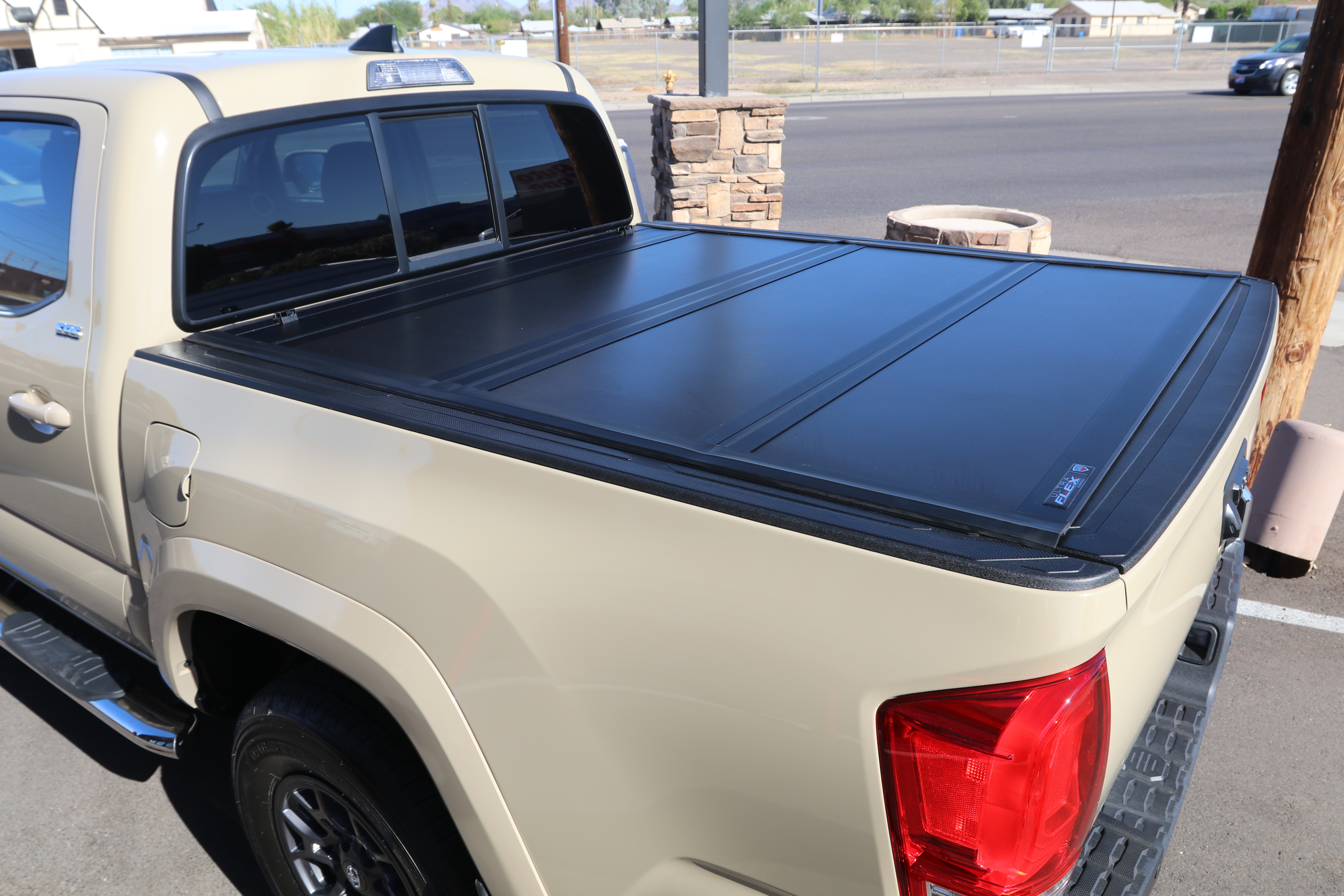
When choosing a bed cover for your truck, one of the most important decisions involves how the cover mounts to your vehicle. The mounting style affects not only how easy it is to install and remove the cover but also how well it seals against the elements and how much it interferes with your truck bed’s functionality. There are several common mounting styles to consider, each with its own advantages and drawbacks.
The clamp on mount is a popular choice—this style typically uses heavy-duty rubberized clamps that attach to the truck bed’s side rails. The installation is drill-free, making them ideal for those who want to preserve their vehicle’s factory finish. Installation is usually completed in under 15 minutes, often requiring just a handheld torque tool. However, the clamps may vibrate loose with heavy use, especially if you carry heavy or shifting loads. They may also create small gaps at the edges, which can let water penetrate during storms.
Another popular option is the track mount system. This style uses custom-engineered aluminum channels that are screwed or bolted into the bed. The cover then slides into place, creating a premium-grade water resistance. Track mounts are the top choice for durability-minded owners because they provide unmatched stability. The downside is that installation requires drilling, which can be a concern for warranty-conscious buyers. Once installed, the tracks remain permanently visible, potentially limiting accessory compatibility.
A third style is the under-the-rail mount. This design conceals all mounting components, making it nearly invisible when closed. It provides complete coverage against dust and rain because the cover sits level with the bed’s edge. Under-the-rail systems are commonly used with hard toyota tacoma tonneau cover covers and are known for their luxury-grade finish. However, they tend to be significantly more expensive, and require precision installation. If improperly installed, they can damage the bed’s frame. Additionally, these systems often obscure bed mounting holes for items like toolboxes or bed extenders.
Hybrid designs combine the best of multiple styles. For example, a cover might use a front track with rear clamps. These hybrids aim to balance ease of installation with strong sealing. They can be a smart middle path for buyers who want better sealing than clamps.
When deciding which mounting style is best for you, think about how you use your truck. If you rarely haul heavy cargo and want something easy to remove, a it’s the most practical choice. If you live in a rainy or snowy climate and need maximum protection, a you’ll benefit from enhanced weatherproofing. And if you value aesthetics and don’t mind spending a bit more, they deliver the highest-end appearance.
There’s no one-size-fits-all solution, but understanding the differences helps you make a more informed choice. Consider your top priorities: convenience, durability, appearance, and budget before making a decision. A well-chosen mount will not only protect your cargo but also enhance the overall look and function of your truck.