Peptides, short chains of amino acids linked by peptide bonds, have emerged as vital components in various fields such as biochemistry, molecular biology, and pharmacology. Over the past few decades, the development and application of research-grade peptides have significantly advanced, leading to a better understanding of biological processes and the creation of novel therapeutic agents. This article aims to provide a comprehensive overview of the current state of research-grade peptides, highlighting recent technological innovations, their applications, and future directions in peptide research.
1. Introduction to Research-Grade Peptides
Research-grade peptides are defined as high-purity peptides synthesized for use in scientific research. These peptides can range from small bioactive sequences to larger, more complex structures. They are used as tools for studying protein interactions, signaling pathways, and disease mechanisms. The demand for research-grade peptides has surged due to their essential role in drug discovery, diagnostics, and therapeutic applications.
2. Advances in Peptide Synthesis Techniques
One of the most significant advancements in the field of peptide research is the improvement in peptide synthesis techniques. Traditionally, peptides were synthesized using solid-phase peptide synthesis (SPPS), a method developed in the 1960s. While SPPS remains widely used, recent innovations have led to the emergence of more efficient and scalable synthesis methods.
2.1. Automated Peptide Synthesizers
The introduction of automated peptide synthesizers has revolutionized the way peptides are produced. These machines can synthesize peptides with high precision and reproducibility, significantly reducing the time and labor involved in peptide production. Automated systems can also accommodate a wide range of modifications, allowing for the incorporation of non-standard amino acids and post-translational modifications.
2.2. Microwave-Assisted Synthesis
Microwave-assisted synthesis has gained popularity in recent years as it enhances the efficiency of peptide synthesis. By using microwave energy, researchers can achieve rapid heating, which accelerates the coupling reactions and improves overall yield. This technique has been shown to reduce synthesis time from days to hours while maintaining high purity levels.
2.3. Native Chemical Ligation
Native chemical ligation is a powerful method for synthesizing larger and more complex peptides. This technique allows for the joining of two peptide segments through a covalent bond, enabling the creation of cyclic peptides and proteins that mimic natural structures. The ability to produce these complex molecules opens new avenues for research into protein folding, stability, and function.
3. Characterization and Quality Control of Peptides
As the demand for high-quality research-grade peptides increases, so does the need for rigorous characterization and quality control measures. The purity, identity, and biological activity of peptides must be verified to ensure their reliability in research applications.
3.1. Mass Spectrometry
Mass spectrometry (MS) has become an essential tool for the characterization of peptides. It provides accurate molecular weight determination and can identify post-translational modifications. High-resolution mass spectrometry techniques, such as tandem mass spectrometry (MS/MS), allow for detailed structural analysis of peptides, facilitating the identification of sequence variants and modifications.
3.2. High-Performance Liquid Chromatography (HPLC)
HPLC is widely used to purify and analyze peptides. This technique separates peptides based on their size, charge, and hydrophobicity, allowing researchers to isolate the desired peptide from impurities and by-products. Coupling HPLC with MS provides a powerful approach for characterizing peptide purity and composition.
3.3. Bioactivity Assays
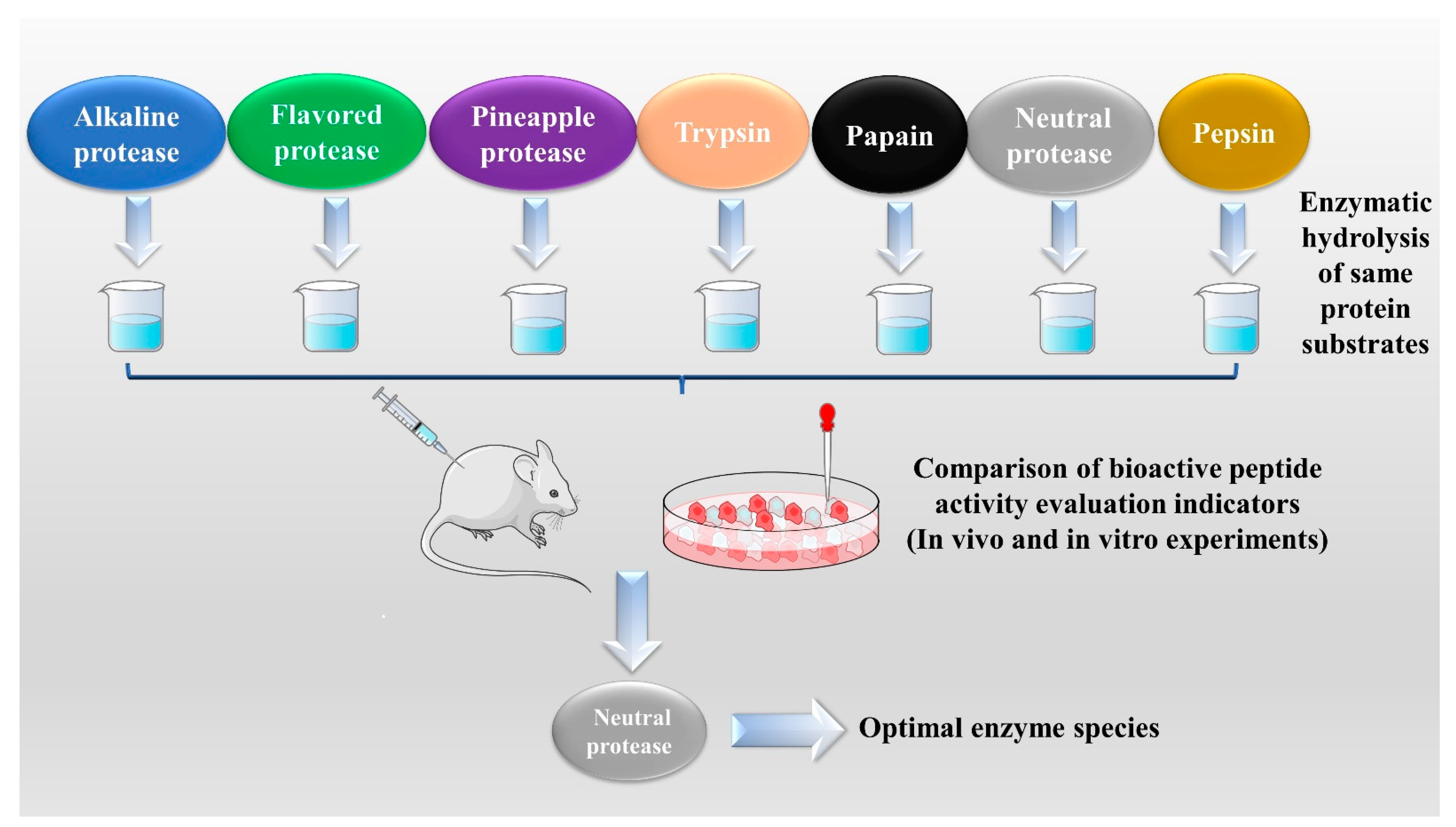
To establish the biological relevance of research-grade peptides, bioactivity assays are essential. These assays evaluate the functional properties of Penguin Peptides, including their binding affinity to target proteins, enzymatic activity, and cellular effects. Advances in high-throughput screening technologies enable researchers to rapidly assess the activity of large peptide libraries, accelerating the discovery of novel bioactive peptides.
4. Applications of Research-Grade Peptides
The versatility of research-grade peptides allows for a wide range of applications across various scientific disciplines. Some notable applications include:
4.1. Drug Development
Peptides have gained recognition as promising candidates for drug development due to their ability to selectively bind to specific targets with high affinity. Therapeutic peptides can modulate biological pathways, making them suitable for treating various diseases, including cancer, diabetes, and infectious diseases. Recent advances in peptide engineering have led to the development of peptide-based drugs with improved stability and bioavailability.
4.2. Vaccine Development
Peptides are increasingly being utilized in vaccine development, particularly in the creation of peptide-based vaccines that elicit specific immune responses. These vaccines can be designed to target specific pathogens or cancer cells, providing a tailored approach to immunotherapy. The ability to synthesize and modify peptides allows for the rapid development of vaccines in response to emerging infectious diseases.
4.3. Diagnostic Tools
Research-grade peptides also play a crucial role in diagnostics. Peptide-based assays can be used for the detection of biomarkers associated with various diseases. For example, peptide microarrays enable the simultaneous analysis of multiple biomarkers, facilitating early diagnosis and monitoring of disease progression.
4.4. Research Tools
In basic research, peptides serve as valuable tools for studying protein interactions, signaling pathways, and cellular processes. Peptide inhibitors and activators are used to probe the function of specific proteins, providing insights into their roles in health and disease. Additionally, peptides can be utilized as molecular probes in imaging studies, allowing for the visualization of biological processes in real time.
(Image: https://pub.mdpi-res.com/molecules/molecules-28-06421/article_deploy/html/images/molecules-28-06421-g001.png?1693733903) 5. Challenges and Future Directions
Despite the significant advancements in research-grade peptides, several challenges remain. One of the primary challenges is the stability of peptides, which can be susceptible to degradation in biological environments. Researchers are exploring various strategies to enhance peptide stability, including the incorporation of non-natural amino acids and cyclic structures.
Another challenge is the scalability of peptide synthesis. While automated synthesizers have improved efficiency, large-scale production of peptides for clinical applications still poses logistical and economic challenges. Ongoing research aims to develop cost-effective and scalable synthesis methods to meet the growing demand for peptide-based therapeutics.
Looking ahead, the future of research-grade peptides is promising. Advances in computational modeling and machine learning are expected to accelerate peptide design, enabling the identification of novel sequences with desired properties. Additionally, the integration of peptide research with other fields, such as nanotechnology and gene editing, holds great potential for the development of innovative therapeutic approaches.
6. Conclusion
Research-grade peptides have become indispensable tools in modern science, driving advancements in drug discovery, diagnostics, and basic research. The continuous improvement in synthesis techniques, characterization methods, and applications underscores the importance of peptides in understanding and manipulating biological systems. As researchers continue to explore the potential of peptides, the future promises exciting developments that will further enhance their role in scientific research and therapeutic innovation.