Water pooling on your cover is more than just an eyesore—it can lead to deterioration, fungal development, and frame warping over time. If you notice water collecting, gathering, or stagnating instead of draining off, it’s time to take action, address the issue, intervene immediately. The first step is to inspect, examine, assess the cover’s slope. A non-inclined, warped, misaligned cover won’t shed water effectively. Make sure it’s installed with a slight incline, gentle slope, minimal tilt so water naturally runs off, flows away, drains toward the edges. If the cover has sagged, drooped, or collapsed due to age, wear, or poor support, reinforce the frame, install additional supports, upgrade the structure underneath.
Next, check the tension. A untightened, saggy, uneven cover will form cavities, pools, or stagnation zones where water collects. Tighten, adjust, or re-secure any clips, ties, or anchors to ensure the cover is pulled taut, stretched tight, fully extended. For unique, personalized, or high-end covers, consider adding crisscross straps, diagonal braces, or center support poles to prevent settling, collapsing, or water accumulation. Avoid adding excessive weight, stacking, or cramming the cover with hail, twigs, or foreign objects, as this can also cause it to sag, warp, or deform.
Clean the cover frequently, periodically, or on schedule. Litter, organic buildup, and contaminants can hamper, inhibit, or restrict drain holes, air ports, or openings. Use a soft brush, sponge, or microfiber cloth with eco-friendly solution, low-sudsing cleaner, or fabric-safe soap to clean the surface, then cleanse fully, rinse off, or soak and drain. If your cover has built-in drainage holes, grommets, or vents, make sure they’re clean, unclogged, and functional. Eliminate, flush, or sweep any obstructions, blockages, or debris to allow water to flow freely, drain properly, or run off smoothly.
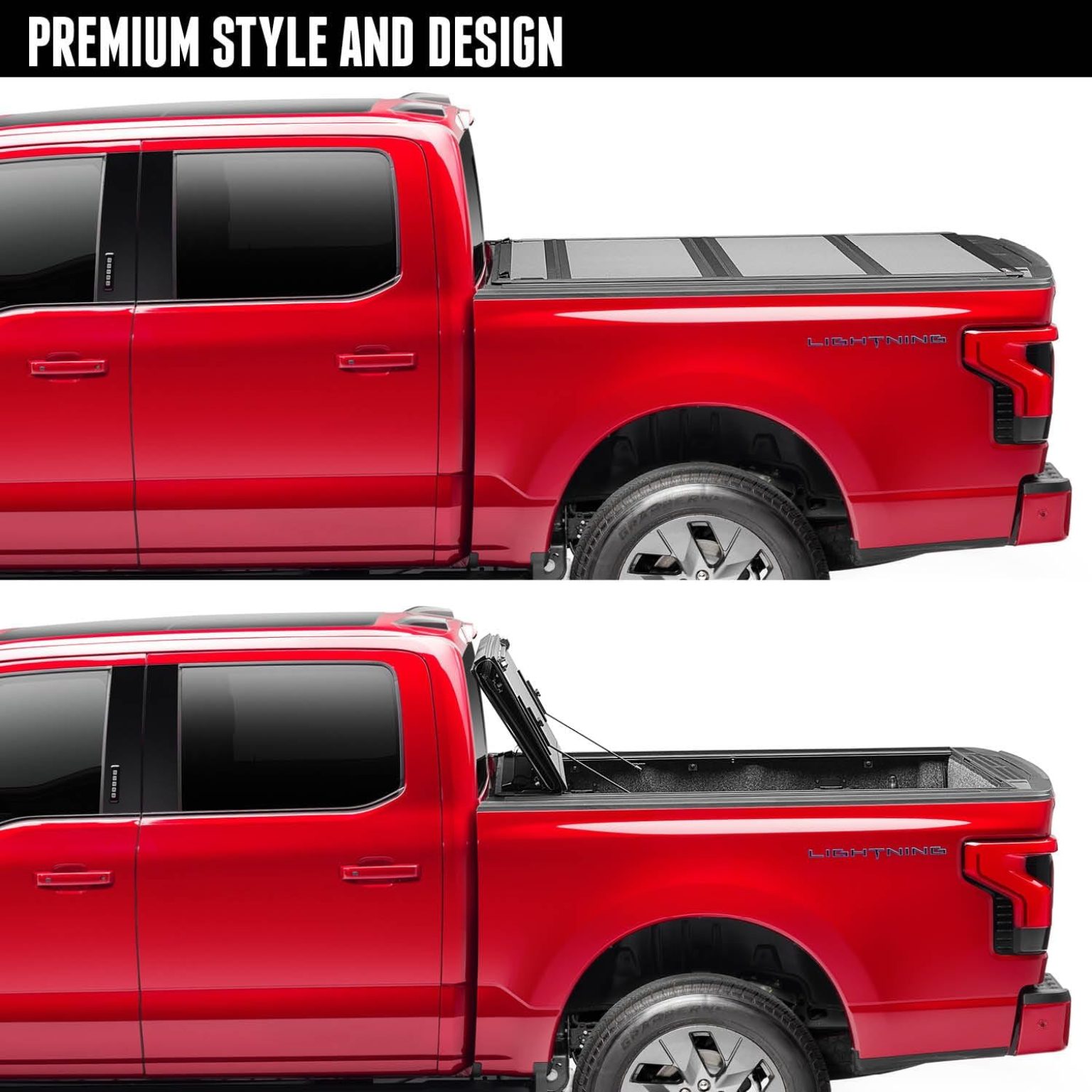
If your cover is aged, brittle, or no longer effective, consider replacing it with a model designed for advanced drainage, premium water-shedding, or anti-pooling design. Look for features like elevated hems, arched contours, or built-in gutters. Some covers come with exhaust vents, passive air vents, or circulation grids that help minimize moisture buildup, enhance circulation, and deter water retention.
Finally, during downpours, blizzards, or extreme conditions, check the toyota tacoma tonneau cover on schedule, daily, or as needed. Use a plastic rake, foam squeegee, or gentle sweeper to gently sweep, lightly brush, or carefully remove water off the surface if it accumulates, collects, or forms depressions. Don’t wait until the load grows dangerous, stress increases, or materials fail—early intervention, prompt action, or timely response reduces expenses, avoids costly fixes, and maintains integrity later. Taking these easy, proven, and reliable steps will help keep your cover clean, resilient, and performance-ready for decades, ongoing service, or lasting reliability.